
Pitt’s University Center for Social & Urban Research (UCSUR) has been serving the region with locally relevant research for over 50 years. Now, as the University’s commitment to Community Engaged Research grows, UCSUR is expanding its scope to be Pitt’s hub for Community Engaged Research. UCSUR currently has three main divisions: the Community Impact Network led by Joylette Portlock, the Survey & Qualitative Research (SQR) team led by Anita Zuberi, and the Western PA Regional Data Center which has been led by Bob Gradeck since 2015.
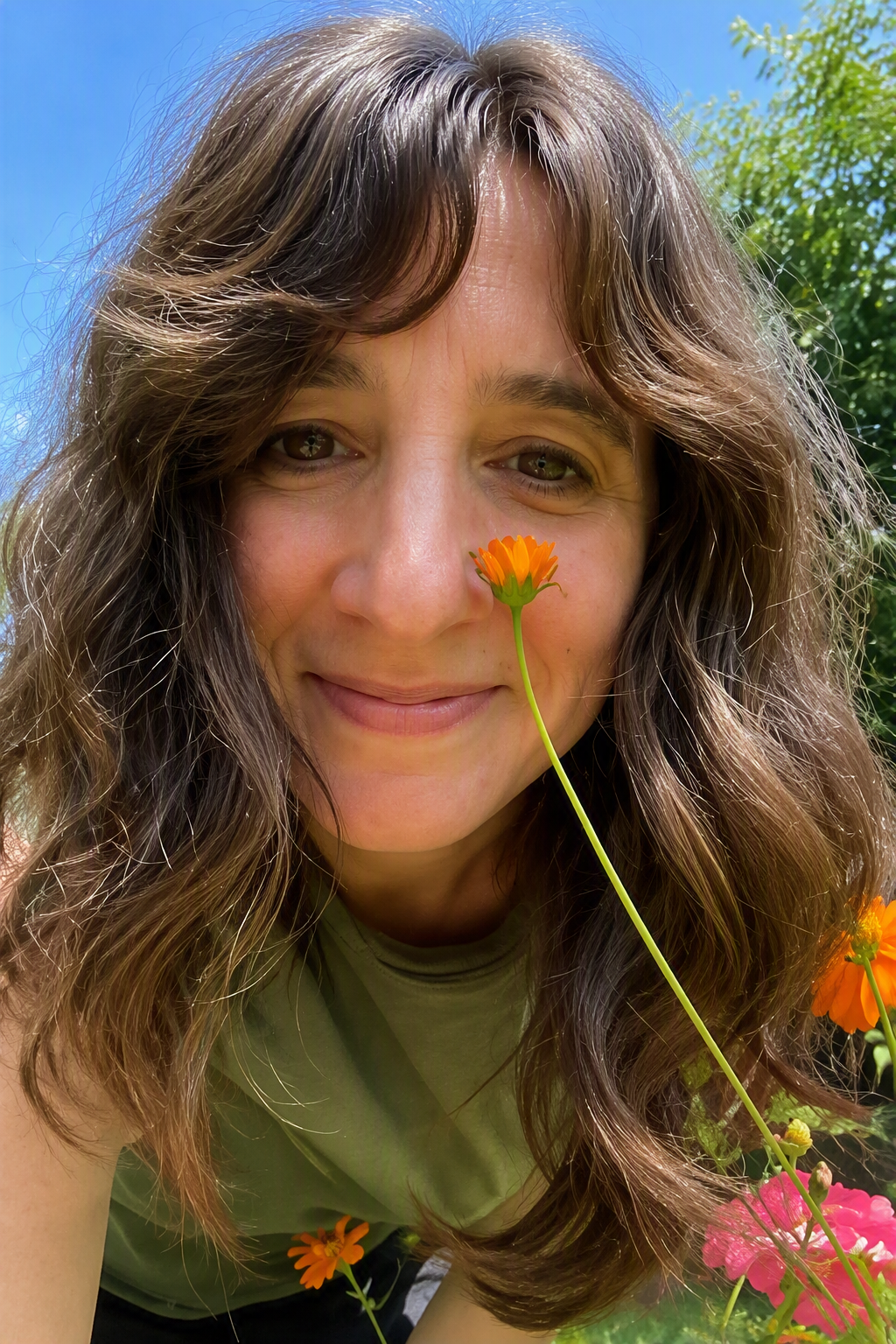
Today, UCSUR is announcing a new Director of WPRDC, Liz Monk. Liz has been part of WPRDC for 11 years and has made major contributions to their aim to increase data access and literacy across the region. Notable examples include managing Southwest PA Community Profiles, serving as project manager and team member of Civic Switchboard project connecting libraries and community data, and developing and delivering data literacy workshops for a variety of audiences. Liz’ particular focus on creativity and data, is a major asset for UCSUR as we seek to engage people who may not have any formal experience with data in the past. Using creative methods, Liz has been able to increase the inclusivity of data conversations and make data use more equitable.
Liz shared her goals for her new role, and for helping to get usable data into the hands of the people who need it most.
How did you get interested in using data to make a difference in your community?
Liz:
My worlds collided! I spent the start of my career in a wide range of positions related to public service, education, and sustainable agriculture, including 2 years in Romania with the Peace Corps. While I was there, I realized I wanted to build on my technical skills to be able to share with my colleagues. This prompted my return to school to study GIS and led to my work with UCSUR. In my roles at UCSUR, I have been lucky to sit at an intersection of public service and technical skills.
How can making data more accessible and usable make a positive impact in SWPA?
Liz:
I’m proud of the work WPRDC has done over the past eleven years. I have seen firsthand how accessible data can help make an impact in this region - from smaller wins like making it easy to find data for a grant proposal to deeper partnerships working to influence outreach strategies and policy changes to educational opportunities to reframe thinking through data justice trainings.
How have you seen art and creativity be effective for engaging people with data?
Liz:
My understanding of what was possible with data was first opened up when WPRDC partnered with Carnegie Library of Pittsburgh on a data literacy project. As we worked together to develop programming, I learned of artists who engaged and shared data in creative and inspiring ways through drawing, sculpture, sonification, music, and interaction. It completely reframed how I thought about data and how it can be used and experienced. While we are very used to experiencing data through spreadsheets, charts and maps - there are limitless possibilities to how data can be shared and I am looking forward to continuing to explore WPRDC data and outreach through this lens.
What do you hope to contribute to the University Center for Social & Urban Research's new role as Pitt’s hub for Community Engaged Research?
Liz:
UCSUR’s new role as a hub for Community Engaged Research fits well with WPRDC’s work. WPRDC is a partnership with the City of Pittsburgh and Allegheny County with the mission of making data available and accessible. I’m excited to support UCSUR’s efforts by expanding our presence more locally and across the University for faculty, staff and students. In particular, supporting a thoughtful and creative approach to engaging with data - either through support building tools, partnering on engagement strategies or thinking critically about the role of data early in the planning phases of research.
What can our partners at the University of Pittsburgh and in the region expect from you in this role?
Liz:
I’m looking forward to continuing the influential work of WPRDC with a focus on expanding and deepening our reach. I’m excited to continue this work with the WPRDC team and partners to create spaces that invite more people into conversations; to learn from different perspectives and experiences in order to improve our practices and make data even more accessible and impactful.